


Feminism is one of the most discussed topics in the world today. Yet many people still ask, what is feminism? Some think it is only about women. Others misunderstand its purpose. The truth is much simpler. Feminism Symbols and Meanings is about equal rights, equal opportunities, and respect for everyone. Learning the feminist meaning helps you understand why this movement has shaped history and continues to influence modern society.
A feminist believes women and men should have equal rights and equal chances. That belief supports fairness in education, work, politics, and everyday life. Understanding what feminism is also helps clear up common myths and confusion.
In this guide, you’ll discover the true feminism meaning, explore its history, learn about different types, and see why feminism still matters today. By the end, you’ll clearly understand what feminism is, the real feminist meaning, and what it means to be a feminist in today’s world.
What Are the Primary Feminism Symbols and Their Meanings?
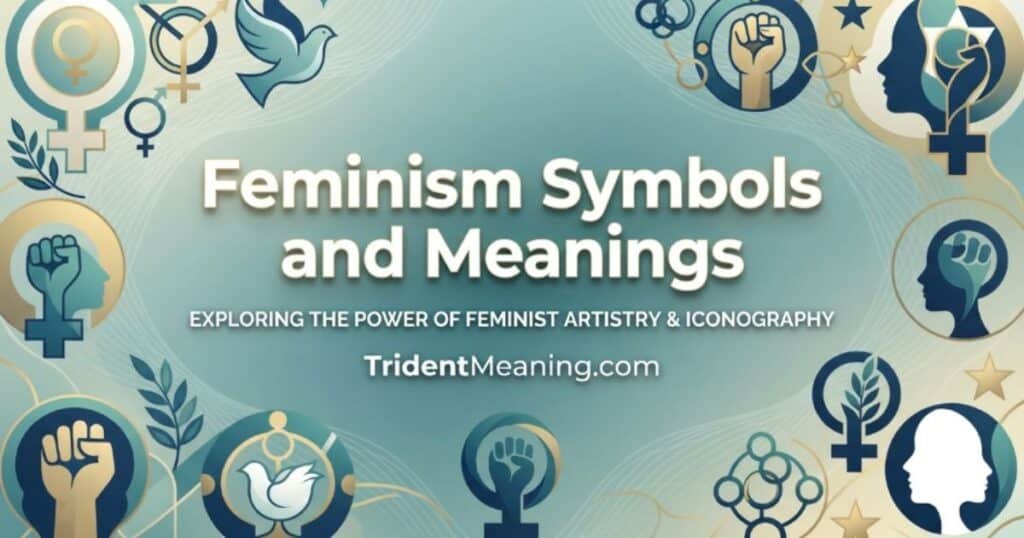
Feminism uses many symbols to express equality, strength, and hope. These symbols have grown from important events in the feminist movement and continue to inspire people today. Some represent the fight for women’s rights, while others highlight gender equality, women’s empowerment, and social change. Learning the meaning of feminism through these symbols makes it easier to understand what feminism is and the values a feminist supports. Each symbol has its own story, yet they all share the same goal of promoting fairness and equal opportunity.
The Merged Venus Symbol with Raised Fist
The merged Venus symbol with a raised fist is the best-known symbol of feminism. The circle and cross represent women, while the raised fist stands for courage, resistance, and unity. Together, they show the fight for equal rights, gender justice, and women’s equality.
This symbol became widely recognized during the women’s liberation movement in the late 1960s and 1970s. Since then, it has appeared on protest signs, books, clothing, and social media campaigns. Many people see it as a reminder to challenge gender discrimination, sexism, and patriarchy.
For many supporters, this image also reflects the true feminist meaning. It encourages people to work toward social equality, political equality, economic equality, and legal equality. Whether someone identifies as a feminist or simply supports fairness, the symbol remains a powerful sign of hope.
The Suffrage Movement Colors (Purple, White, and Gold)
Purple, white, and gold became famous during the women’s suffrage campaign. These colors were proudly worn by suffragettes and suffragists who fought for voting rights and political representation.
Each color carries a special meaning:
- Purple represents dignity, loyalty, and justice.
- White stands for honesty and purpose.
- Gold symbolizes hope and a brighter future.
These colors continue to appear during Women’s History Month, equality marches, and public events. They remind people of the long journey toward gender equality and inspire new generations to support women’s rights and human rights.
Rosie the Riveter and Modern Iconography
Rosie the Riveter is one of the most recognizable cultural images linked to feminism. Her famous “We Can Do It!” poster became a symbol of confidence, determination, and women’s ability to succeed in every field.
Although Rosie first encouraged women to join the workforce during World War II, she later became a symbol of workplace equality, equal opportunity, and breaking the glass ceiling. Today, many people connect her image with women’s leadership, economic equality, and feminist activism.
Modern feminist art also includes murals, posters, digital illustrations, and campaign logos. These images encourage conversations about gender bias, equal pay, workplace discrimination, and inclusive feminism while reminding people that progress continues.
Historical and Cultural Symbols of Gender Equality
Not every symbol of feminism began with modern activism. Some come from ancient traditions, while others grew from powerful moments in history. Together, they represent resilience, freedom, and the ongoing pursuit of gender equality. Understanding these symbols also helps explain what feminism is beyond slogans and protests.
The Triquetra and Goddess Movement Emblem
The Triquetra is an ancient three-pointed symbol that has appeared in many cultures. Within the modern Goddess movement, some groups use it to celebrate feminine strength, wisdom, and the connection between mind, body, and spirit.
Although the symbol existed long before the feminist movement, many people now associate it with women’s empowerment, diversity, and respect for women’s experiences. It also reflects ideas of unity and balance that support social justice and human dignity.
The Wire Clothes Hanger Symbolism
The wire clothes hanger is one of the most emotional symbols in feminism. It represents the dangers many women faced before safe and legal reproductive healthcare became available in some places.
Today, the hanger often appears during campaigns about reproductive rights, reproductive justice, and bodily autonomy. Activists use it to encourage discussions about healthcare, safety, and personal freedom. While the image is simple, its message remains powerful and continues to influence public debate.
The Red Lightning Bolt of Modern Protests
The red lightning bolt has become a modern protest symbol in several countries. It represents urgency, resistance, and public action against policies that many people believe limit women’s rights and gender equality.
During recent demonstrations, supporters carried this symbol on banners, clothing, and digital artwork. It has become closely linked with feminist activism, human rights, social change, and women’s advocacy. Although its meaning can vary by movement, the red lightning bolt continues to remind people that the fight for equality is still evolving.
How Artists Use Feminism Symbols in Art and Literature
Artists and writers have long used symbols to express the ideas behind feminism. Their work often explores gender equality, women’s empowerment, and the fight against gender discrimination. Through paintings, books, poems, and sculptures, they challenge gender stereotypes and encourage people to think differently. These creative works also help explain what feminism is in ways that feel personal and memorable. They show the deeper meaning of feminism and inspire readers to understand the feminist meaning beyond simple definitions.
Reclaiming Domestic Objects and the Female Form
Many feminist artists transform everyday household objects into powerful symbols. Items such as aprons, dishes, sewing tools, and kitchen utensils become reminders of traditional gender roles and unpaid labor. Instead of accepting old expectations, artists use these objects to question patriarchy, gender bias, and workplace inequality.
The female form also appears in paintings, photography, and sculptures. Rather than presenting women through outdated stereotypes, artists celebrate strength, diversity, and individuality. This creative approach supports women’s rights, human rights, inclusive feminism, and social justice. It also encourages viewers to rethink the true feminist meaning and appreciate the importance of women’s equality.
Botanical Icons and Floral Symbolism
Flowers, leaves, trees, and vines often appear in feminist art. These botanical symbols represent growth, resilience, renewal, and hope. Different flowers can symbolize courage, freedom, or new beginnings. Together, they reflect the ongoing journey toward gender equality and equal opportunity.
Many artists combine floral designs with the Venus symbol or portraits of women. The result creates powerful images of women’s empowerment, diversity, and community. These artworks remind people that feminism is not only about protest. It is also about growth, healing, and creating a more equal future.
Modern Digital Feminist Symbols and Emoji Guide
The internet has changed how people talk about feminism. Today, symbols spread quickly through social media, websites, and messaging apps. Emojis, digital artwork, and online campaigns make it easier to discuss women’s rights, gender equity, and social equality. These modern symbols help younger audiences understand what feminism is and encourage conversations about fairness around the world.
Decoding Digital Emojis and Social Media Icons
Several emojis have become connected with feminism online. The raised fist, purple heart, sparkles, and female sign often appear in posts about women’s advocacy, feminist activism, and gender justice. Although emojis do not have official feminist meanings, people use them to express support and solidarity.
Social media icons and profile frames also help spread awareness. Many campaigns combine symbols with messages about equal pay, workplace discrimination, violence against women, and LGBTQ+ rights. These visual tools make important topics easier to recognize and share.
Slogans and Hashtags in the Digital Era
Short slogans and hashtags have become powerful symbols of modern feminism. Phrases such as #EachForEqual, #HeForShe, #MeToo, and #TimesUp encourage millions of people to support gender equality, women’s empowerment, and human rights. They also bring attention to issues like sexual harassment, gender-based violence, and equal rights.
Hashtags allow people across the world to share experiences, support campaigns, and inspire change. They have become an important part of the modern feminist movement because they connect voices, promote awareness, and encourage action. As digital communities continue to grow, these online symbols will remain a key part of the evolving story of feminism.
FAQs
What is the primary icon representing female empowerment?
Understanding feminism symbols and meanings reveals that the merged Venus symbol with a raised fist is the ultimate empowerment icon.
Why are specific colors chosen for women’s rights movements?
Exploring feminism symbols’ meanings shows purple represents dignity, white signifies purity, and gold symbolizes hope for social equality.
How did a World War poster become an iconic emblem?
The history behind feminist symbols and meanings shows that Rosie the Riveter evolved into a global icon of female workforce strength.
What does the wire hanger represent in modern protests?
Within feminist symbolism, the wire hanger stands for reproductive freedom, bodily autonomy, and safe healthcare access.
Is there a specific emoji used for modern women campaigns?
Digital feminism symbols and meanings include the Venus sign and purple heart to express female solidarity across modern social platforms.
How do flowers relate to historical women marches?
Researching feminism symbols meanings highlights white roses and specific flora as historical signs of peaceful resistance and dignity.
Why does the Venus symbol point downward in graphics?
Classical feminist symbols and meanings trace the downward cross to ancient hand-mirror depictions representing Venus, the goddess of love.
Conclusion
Feminism is about fairness, respect, and equal opportunities for everyone. When you understand what feminism is, you can see that it supports equal rights instead of special treatment. The meaning of feminism goes beyond one idea. It encourages a society where everyone has the same chance to learn, work, and succeed. Knowing the feminist meaning also helps clear up common myths.
Today, feminism continues to shape conversations about equality, education, work, and human rights. A feminist can be anyone who believes women and men deserve equal rights and equal opportunities. Learning what feminism is helps you understand why this movement still matters across the world.
In the end, feminism is about building a fair future for everyone. The Feminism Symbols and Meanings center on dignity, respect, and justice. Understanding the feminist meaning makes it easier to separate facts from misconceptions. Whether you identify as a feminist or simply support equality, knowing what feminism is helps you create a more inclusive and respectful society.